
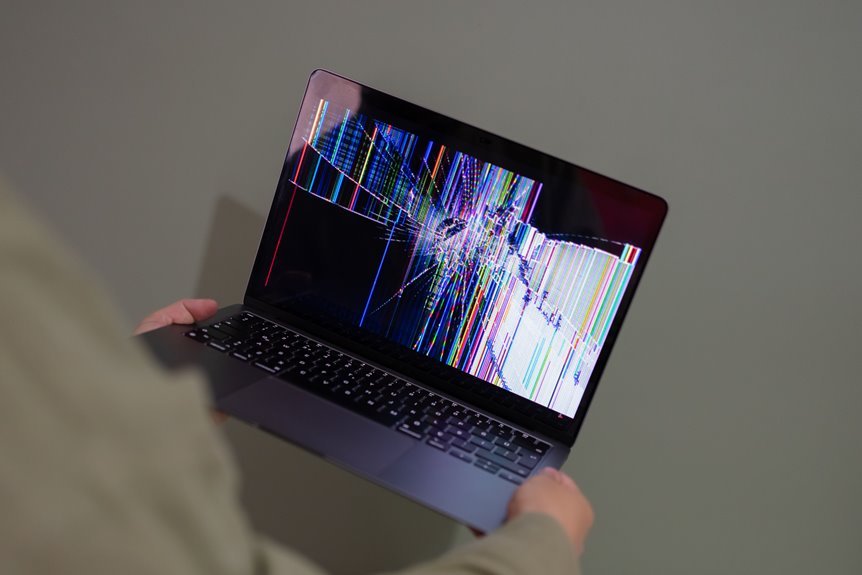

When problems start suddenly with 9156154385, begin with symptom identification and precise observation, noting onset time, context, and any variations in a dated log. Verify power, connectivity, and hardware indicators to establish a baseline, then perform quick tests of power delivery and cable integrity. Document external triggers or recent changes, run a focused set of functional checks, and record each result. If issues align with updates or power events, use that correlation to guide targeted remediation, keeping options open for what comes next.
Identify the Symptoms Right Away
When problems arise suddenly, the initial step is to identify the symptoms present. The process emphasizes identifying symptoms and detecting onset with precise observation.
Systematic notes track each abnormal cue, time, and context, enabling quick pattern recognition. By documenting variations, the subject reduces ambiguity, guiding informed decisions later. Clear records support timely assessment and later, targeted investigation.
Check Power, Connectivity, and Hardware Indicators
Power, connectivity, and hardware indicators should be reviewed immediately to establish a baseline for the malfunction.
The approach notes symptoms, logs, and visible status LEDs, while avoiding speculation.
Perform quick tests of power delivery and cable integrity, observe external triggers, and document recent changes.
A calm, methodical check helps identify patterns and avoids assumptions about the root cause.
Run Quick Functional Tests to Narrow Down
Quick functional tests should be performed to quickly narrow down the source of the issue. A methodical set of checks reveals a deeper diagnostic path, isolating whether faults are software or hardware related. Observe user facing impact without speculation, documenting results clearly. If tests pass, move on; if not, note specific failures for targeted investigation and informed remediation.
Inspect Recent Changes and External Triggers
A methodical review should proceed by examining recent changes and any external triggers that could affect performance. The process emphasizes identifying symptoms and diagnostic triggers, noting patterns linked to updates or configuration edits.
Hardware indicators should be checked for anomalies, while external events—a power fluctuation, network outage, or software patch—must be documented to isolate impact on 9156154385.
Frequently Asked Questions
Could Malware Cause Sudden Issues With 9156154385?
Malware implications exist; illicit software can cause sudden performance drops or instability. The analysis notes potential background processes, resource hijacking, and network chatter. If issues arise, a methodical scan and containment steps should be pursued to restore freedom.
Is Temperature a Factor in Sudden Failures?
Temperature factors can trigger components to falter; therefore, temperature factors influence sudden failures. The analysis proceeds methodically, presenting evidence, checks, and thresholds, in a clear, concise manner for an audience seeking freedom, without reciting prior context.
Do Background Apps Affect 9156154385 Suddenly?
Background processes can affect 9156154385 suddenly, though usually marginally; Resource conflicts may trigger spikes. Temperature considerations, BIOS resets, and Magnetic interference are potential factors; systematic checks should document symptoms, isolate variables, and ensure stable operation.
How Often Should I Reset Bios for This Number?
Reset BIOS should be done rarely; bios resets are not a routine maintenance habit. The system is stable when settings are preserved, and deliberate changes are made only after thorough testing, avoiding unnecessary resets and preserving freedom.
Can External Magnetic Fields Impact 9156154385 Performance?
External interference can affect 9156154385 performance; field sensitivity varies by device. External magnetic fields may cause glitches or timing shifts. The device should be shielded or rotated to reduce interference, maintaining consistent operation and user control over surroundings.
Conclusion
Conclusion:
When problems erupt with 9156154385, a disciplined, stepwise approach preserves clarity: log the onset, verify baselines, and perform quick functional tests before chasing assumptions. This method reduces false alarms and guides precise remediation. Like a steady lighthouse beam slicing fog, each verified result illuminates the path forward, turning uncertainty into actionable insight and anchoring repair in concrete, time-stamped observations.