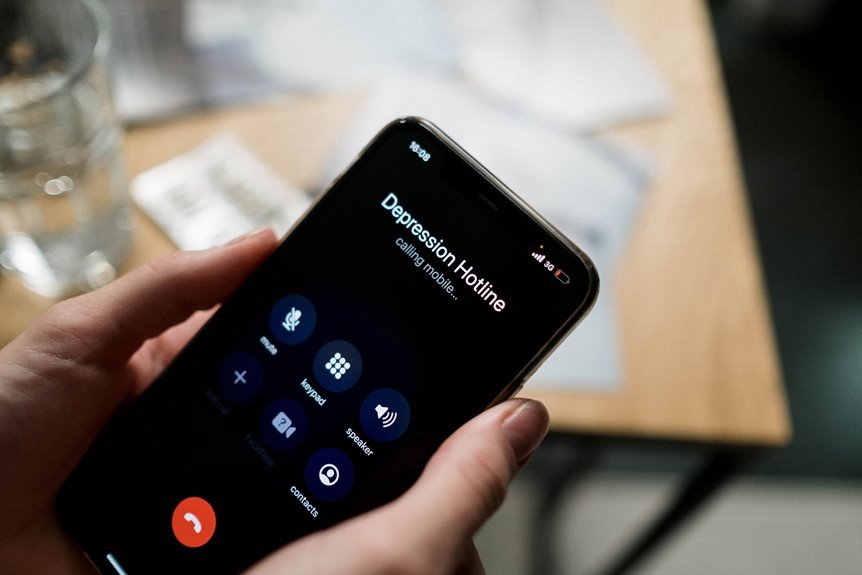

When difficulties interrupt normal use, it helps to separate legitimate calls from potential threats around the 855-303-2381 number. The approach emphasizes verification, blocking tools, and trusted contacts to preserve autonomy. It outlines how to verify numbers, recognize scams, and document emergency contacts, while using built-in filters to reduce interruptions. With clear procedures and rehearsed safety checks, users can maintain service continuity, yet a prudent framework invites further steps to ensure all bases are covered.
Identify Legitimate Calls So You Stay In Control
Recognizing legitimate calls from 855-303-2381 helps users maintain control over their communications and reduces exposure to scams. The approach emphasizes verification, documenting trusted numbers, and updating emergency contacts. Clear procedures support disaster recovery planning and quick decision-making. Structures outline call-handling steps, filtering risky disclosures, and maintaining records. Freedom-minded users gain confidence while preserving privacy and minimizing interruptions during crises.
Recognize Scams and Protect Your Information
When users move from identifying legitimate calls to safeguarding information, the focus shifts to recognizing scams and preventing data exposure.
The discussion outlines scam recognition practices, emphasizes cautious disclosure, and encourages verification through independent sources.
It stresses information protection by limiting shared details, using strong authentication, and maintaining updated contacts.
Clear procedures reduce risk while preserving user autonomy and freedom.
Use Built-In Tools to Block Interruptions
Many smartphone and computer platforms offer built-in tools that can automatically block interruptions from unwanted calls. The guidance focuses on practical setup: enable block caller IDs when possible, limit notifications during focused periods, ignore unknown numbers to reduce unfamiliar rings, and silence spam calls through filtering options. These built-in controls empower users to sustain focus and freedom without external dependencies.
Establish Trusted Support Channels and Safety Checks
Establishing trusted support channels and implementing safety checks are essential steps to ensure reliable assistance when interruptions occur. The approach emphasizes structured communication, verified contact points, and clear escalation paths. Trustworthy outreach minimizes guesswork during crises and speeds response.
Emergency protocols are documented, rehearsed, and accessible, enabling immediate action, data integrity, and user autonomy while preserving safety, privacy, and consistent service continuity under stress.
Frequently Asked Questions
How Can I Verify a Caller’s Identity Quickly?
To verify caller identity quickly, implement multi-factor cues: confirm knowledge-based questions, caller-provided identifiers, and device fingerprints; record call details meticulously, noting timestamps, numbers, and prompts, then cross-check with authorized records to ensure accuracy and accountability.
What Details Should I Record After a Suspicious Call?
One statistic notes that 87% of fraud attempts fail with proper documentation. The details to record after a suspicious call include time, duration, caller number, claimed identity, content, and any unusual requests, supporting record keeping and caller verification.
Can I Whitelist Certain Numbers Without Risking Scams?
Whitelisting certain numbers can be used with caution; however, it does not eliminate scam risks. Whitelisted safeguards should be paired with ongoing monitoring, verification, and periodic reviews to balance freedom with protection against fraud and misuse.
How Do I Report Harassment From Unknown Callers?
Reporting harassment can be addressed by documenting calls, using call blocking, and filing complaints with the appropriate authorities; verify identity of callers when possible, keep records, and seek legal guidance if patterns persist.
Are There App Alternatives for Blocking Interruptions?
Blocking distractions, certain app alternatives exist; he evaluates options for blocking interruptions. The detached observer notes that app alternatives provide practical, precise control, empowering freedom seekers to manage calls, notifications, and nuisance noise without sacrificing essential connectivity.
Conclusion
In the end, mastering responses to calls from 855-303-2381 equips readers to stay firmly in command during disruptions. By confirming legitimate numbers, spotting scams, and applying built-in blocking tools, individuals reduce risk and regain control swiftly. Establishing trusted contacts and clear escalation paths adds reassurance and resilience. This disciplined approach transforms chaos into manageable routine, delivering safety, autonomy, and peace of mind—like fortifying a lighthouse against a raging sea.